

Imagine receiving an invoice from a new supplier. Everything looks correct, including the business name, address and GST number. But how can you be sure the GST number is genuine? A small mistake in a GST Identification Number (GSTIN) can lead to invoice differences, accounting issues and complications during tax compliance. That is why verifying a GST number before relying on it is an important step for business owners, accountants, freelancers and buyers.
You do not need to be a tax expert to perform a basic GST verification. You can use an online GST search tool to look up registration details and check the information against official government records. In this guide, you will learn how to check whether a GST number is valid.
What Is a GST Number?
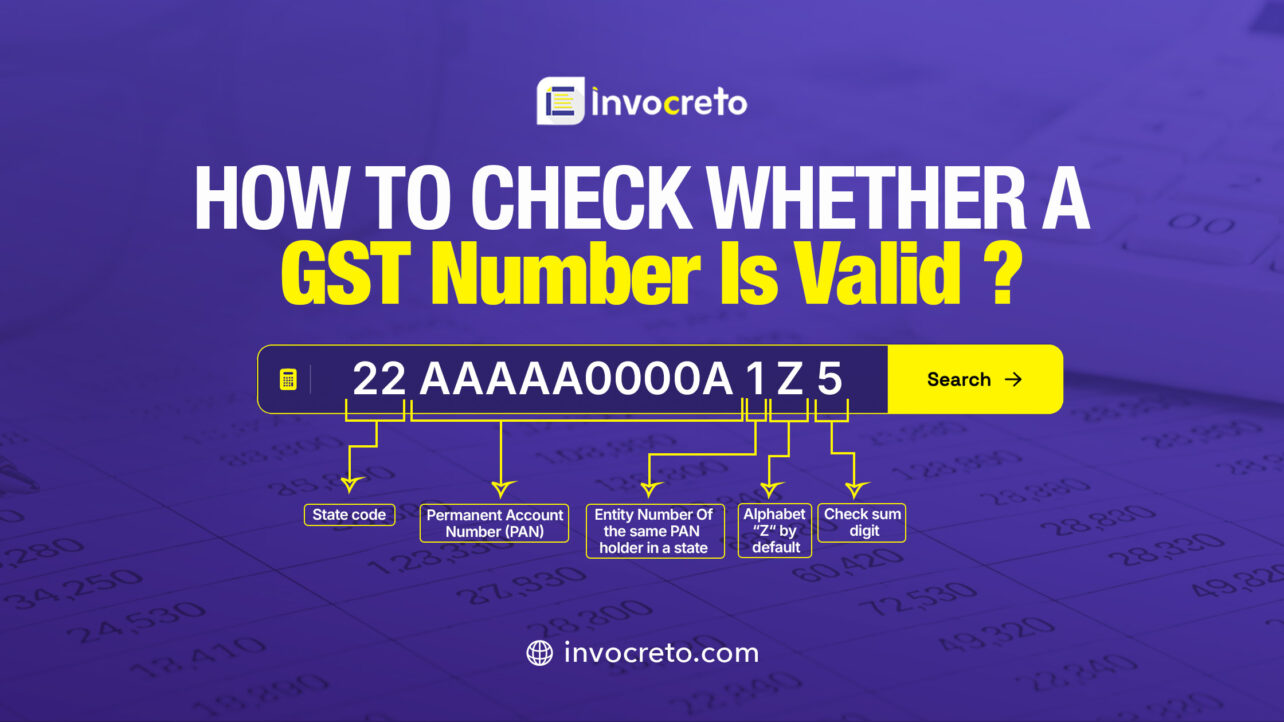
A GST number, officially known as a Goods and Services Tax Identification Number (GSTIN), is a unique 15-character alphanumeric identifier assigned to a registered taxpayer under India’s GST system. It helps identify registered business and its registration within particular state or union territory.
A GSTIN generally consists of the following components:
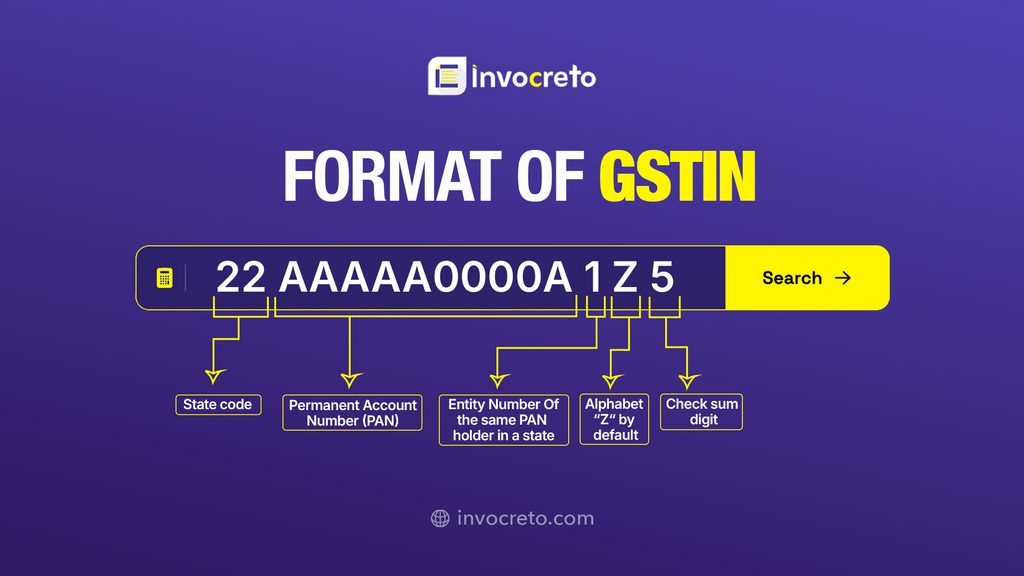
- First two characters: The state or union territory code.
- Next ten characters: The PAN associated with the taxpayer.
- Thirteenth character: An entity code used to distinguish registrations associated with the same PAN within a state.
- Fourteenth character: Usually the letter Z under the standard GSTIN format.
- Fifteenth character: A checksum character used for validation.
Understanding this structure can help you spot obvious typing mistakes. GST number that follows the correct format is not necessarily registered, active or genuine. You need to verify it against registration records.
How to Check Whether a GST Number Is Valid Online
Step 1: Open an Online GST Search Tool
Visit Invocreto GST Search to look up GST registration details. An online search tool can make the initial lookup more convenient when you need to check a GST number received from a supplier, customer or business partner.
Step 2: Enter the GSTIN
Enter the complete 15-character GST number you want to verify. Check the characters carefully. A single incorrect letter or digit can prevent the correct record from being found. For example, if a supplier shares a GSTIN on WhatsApp or prints it on an invoice, compare the number you enter with the original document before searching.
Step 3: Review the Search Results
Submit the GSTIN and review the registration information made available by the tool. Look for details that help identify the registered taxpayer, such as the business name and registration information. The exact details available may vary depending on the tool and its data source.
Step 4: Confirm the Details on the Official GST Portal
For authoritative confirmation, visit the official GST Portal and open the Search Taxpayer facility. Enter the GSTIN, complete the CAPTCHA if requested, and submit your search. Review the information displayed by the portal, including the registration status and other available taxpayer details.
Step 5: Match the Information With the Invoice
Finally, compare the registration details with the supplier’s invoice or business documents. Check whether the legal name, trade name, address and GSTIN are consistent with the business you intend to deal with. If something does not match, ask the supplier for clarification before proceeding. This simple process helps you identify potential errors before relying on a GST number for accounting or tax-compliance purposes.
What Details Should You Check When Verifying a GST Number?
Finding matching GSTIN is only the beginning. You should also examine the information associated with it.
- Legal business name
Check the registered legal name against the supplier’s details. A proprietorship, partnership or company may use a trade name that differs from its legal name, so understand the difference before treating mismatch as suspicious. - GST registration status
Check whether the GST registration is shown as active, cancelled or suspended, as applicable. This is particularly important when verifying GSTIN before current transaction. - Registration date
The registration date helps establish when the registration began. Compare it with the transaction date if you are checking an older invoice. - Business address
Compare the available principal place of business with the address provided by the supplier. Businesses may have additional places of business, so an address difference may require clarification rather than an immediate conclusion. - GSTIN accuracy
Make sure the number on the invoice matches the number in the search result exactly. Checking these details together gives you a clearer picture than simply confirming that a number has 15 characters.
How to Check Whether GST Number Is Active or Cancelled
A GSTIN may have a valid-looking format but an inactive registration status. To investigate, search the number on the official GST Portal and review the taxpayer information. Here is how to interpret common results:
- Active: The registration is shown as active at the time of the search. You should still verify the invoice and other relevant details.
- Cancelled: The registration has been cancelled. Check the effective date and consider how the cancellation affects the transaction.
- Suspended: The registration is shown as suspended. Investigate the status and its effective date before proceeding.
- No record found: Check for typing errors and search again. If the number still cannot be found, ask the supplier to confirm the correct GSTIN.
Keep in mind that registration status can change. The current status alone may not establish whether an earlier transaction was valid, so consider the relevant dates and circumstances.
What Should You Do If a GST Number Is Invalid?
- If a GST number does not return the expected details, do not immediately assume that the supplier is committing fraud. There may be a simple explanation.
- Start by checking the number for typing mistakes. Next, ask the supplier to confirm the GSTIN and provide corrected documentation if necessary.
- Search the corrected number again and compare the details against the official GST Portal. If the registration appears cancelled or suspended, investigate the effective date and the implications for your transaction.
- Keep copies of relevant invoices and communications for your records. If the discrepancy affects tax reporting or input tax credit, consult a qualified tax professional before making a decision.
- Most importantly, do not rely solely on a GST certificate, screenshot or number shared by the supplier. Independent verification provides an additional layer of protection.
Why Is GST Number Verification Important?
GST verification is useful for businesses of all sizes, from small retailers to companies that regularly work with multiple vendors. For buyers, it helps identify discrepancies before processing invoices. For sellers, it supports accurate business records. Accountants can use it as part of their routine vendor-verification process. It can also help identify registration details that need further investigation before a business relationship moves forward. However, an active GSTIN does not automatically prove that a business is trustworthy or that an invoice is genuine. It also does not guarantee eligibility for input tax credit. That depends on the applicable GST provisions and the facts of the transaction.
Conclusion
Checking whether a GST number is valid is a straightforward step that can help prevent avoidable business and accounting problems. Start by looking up the GSTIN using Invocreto GST Search, then confirm the registration details and status on the official GST Portal. Compare the information with the invoice, investigate discrepancies and keep appropriate records.
The goal is not simply to find a matching number. It is to make sure the registration information is consistent with the business and transaction you are dealing with. A few minutes of verification can make your invoicing and vendor-checking process more reliable.

No comments yet